
We are using a mobile application, website, or any other type of software, anything is not done in seconds. Every software you use is a result of careful planning, designing, building, testing, and maintaining. Behind the scenes, there is a structured process that guides the creation of any software product.
This systematic process is referred to as the Software Development Lifecycle.
The Software Development Lifecycle is a comprehensive process that involves the development of software from its beginning until its deployment to the end user and beyond. It is a set of defined phases that ensures the final product is reliable, efficient, and meets user needs.
Understanding SDLC Process
In simple, the Software Development Lifecycle represents a series of steps that each software product goes through during its development. These steps are designed to ensure the quality of the final product while managing cost, time, and resources effectively.
Unlike traditional approaches where the software development process starts with coding, SDLC provides a broader perspective. It involves understanding what needs to be built, how it should be built, and how it will be maintained after release.
The development process of each software product goes through a series of steps in some form or the other, even if the developers do not realize or follow them formally.
The Basic Concepts in Development Models
There are various development models that are used in software development, and all of these models are based on the common SDLC phases. These models define how the phases are organized and executed.
The decision for adopting any particular model is taken depending upon the following considerations: the size of the project, the requirements, the duration of the project, risks in the project, and the project team structure.
With passage of time, advanced models are developed by updating previous models to be more efficient.
Common SDLC Phases
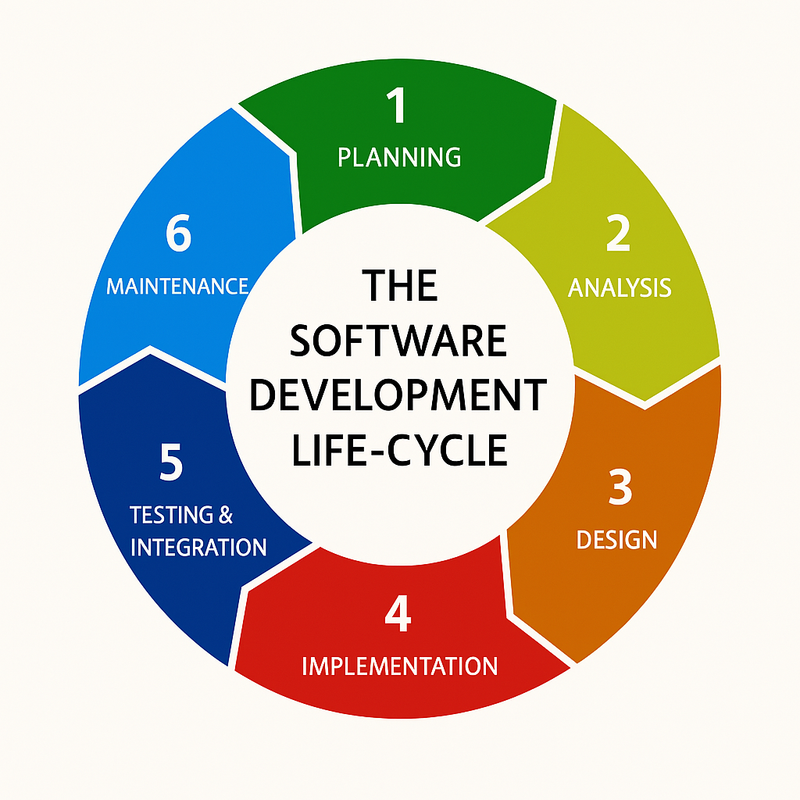
All different software development life cycle models follow a common set of phases that play a major role in building a complete and functional system.
Planning
Every project starts with an idea, but before making that idea real, we need proper planning. In this phase, the team outlines the project's scope, sets goals, estimates time and cost, and checks whether the project is doable. Starting development without planning is like building a house without a blueprint. It leads to confusion, delays, and poor results.
Analysis
Once the project gets approval, the next step is to analyze the requirements. This phase revolves around understanding what the user actually needs. The team gathers, documents, and validates the requirements. This phase also helps identify potential risks and challenges early, allowing them to be addressed before they become bigger problems.
Design
After grasping the requirements, the system is designed. This includes defining the system architecture, database structure, UI/UX design, and technology stack. The design phase serves as a link between requirements and implementation. It provides a clear roadmap for the development team.
Implementation
This is the phase where actual coding takes place. Developers begin building the application based on the design documents. Each module is developed carefully and reviewed before integration. While this phase is often seen as the most important, it is just one part of the entire lifecycle. Without proper planning and design, even the best code can fail.
Testing
Once development is finished, the software must be tested thoroughly. Testing ensures that the system works as expected, bugs and errors are identified, and performance is acceptable. Different types of testing are done, including functional testing, integration testing, and user acceptance testing. This phase is crucial for delivering a reliable product.
Deployment
After the testing phase, the software is released in production. Deployment can be done in different ways, such as gradually, fully, or in phases, depending on the project's needs.
Maintenance
Even after deployment, the lifecycle continues. Software requires regular updates, bug fixes, and improvements based on user feedback. This phase keeps the software running smoothly and relevant over time.
Types of Software Development Models
As mentioned earlier, the way these phases are organized defines the development model. Over the years, several models have been developed, each with its strengths and use cases.
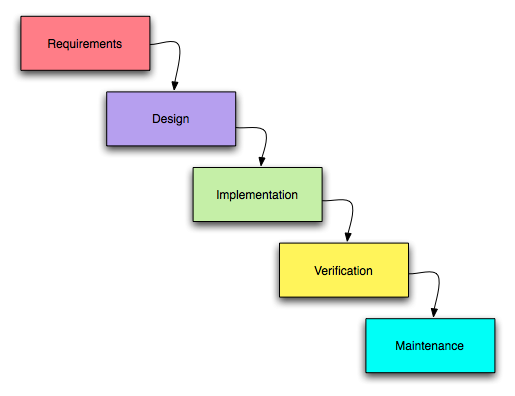
Waterfall Model
The Waterfall model is one of the earliest and simplest models. In this approach, each phase is finished before moving on to the next. You cannot go back once a phase is complete. It is easy to understand and works well when requirements are clear. However, it lacks flexibility.
Iterative Model
In this model, development happens in cycles. Instead of building the entire system at once, it is developed in smaller parts and improved in each iteration. This method allows for early feedback and ongoing improvement.
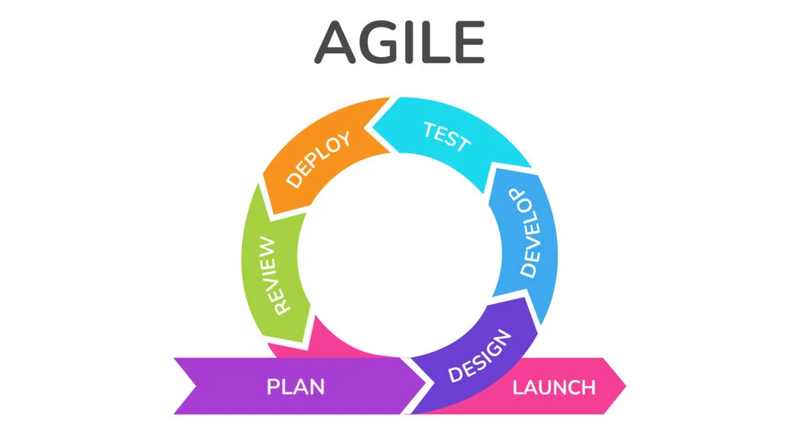
Agile Model
Agile is one of the most popular modern approaches. It focuses on small development cycles (sprints), continuous feedback, and flexibility to change requirements. Agile helps teams adapt quickly and deliver faster.
Spiral Model
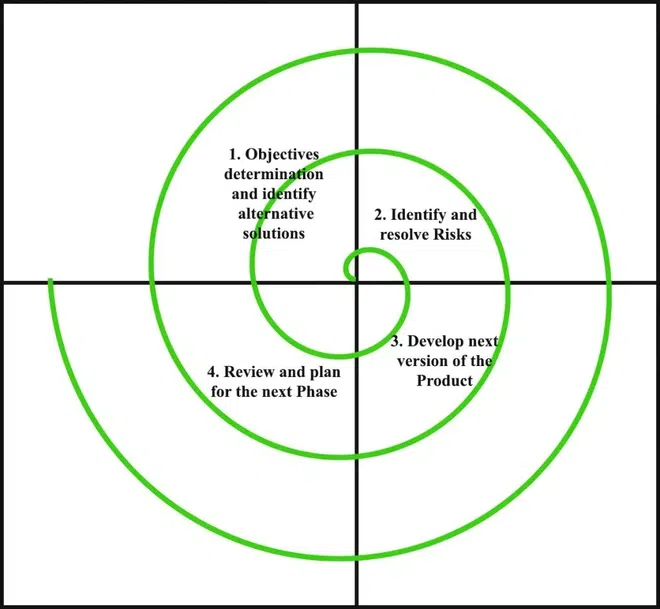
The Spiral model combines design and prototyping with a strong focus on risk analysis. Each cycle includes planning, risk evaluation, development, and testing. It is suitable for large and complex projects.
Why SDLC Important
Without a structured lifecycle, software development can become chaotic. SDLC helps with improving product quality, reducing risks, managing time and cost effectively, and ensuring customer satisfaction. It adds discipline and clarity to the development process.
Conclusion
Software development isn't just about coding, it's about creating solutions in an organized and efficient way.
The Software Development Lifecycle provides a roadmap that guides every project from idea to reality. Whether you follow Waterfall, Agile, or Spiral, the core phases remain the same. Understanding and applying SDLC is essential for delivering software that is reliable, efficient, and truly useful.
Share on social media