


Communication has always been essential for every business. Long before emails, chat apps, or video calls existed, the telephone was the primary tool for professional communication. For decades, businesses relied on phone calls to connect with customers, partners, and teams.
However, the handling of these calls has changed significantly over time. What started as a system with physical wires and dedicated circuits has transformed into a digital, flexible, and intelligent communication infrastructure.
To understand our current state, it is important to start from the beginning.
The Foundation: How Traditional Telephony Works
Traditional telephony relies on a system called the Public Switched Telephone Network (PSTN). This network has been in use for over a century, and for a long time, it was the only way to make a phone call.
When you pick up a landline phone and dial a number, a remarkable process occurs behind the scenes. A dedicated physical connection, known as a circuit, is created between you and the person you are calling. This circuit remains active and reserved for the entire duration of the call, regardless of whether someone is speaking or not.
This method is known as circuit switching. It was designed in a time when reliability mattered more than efficiency.
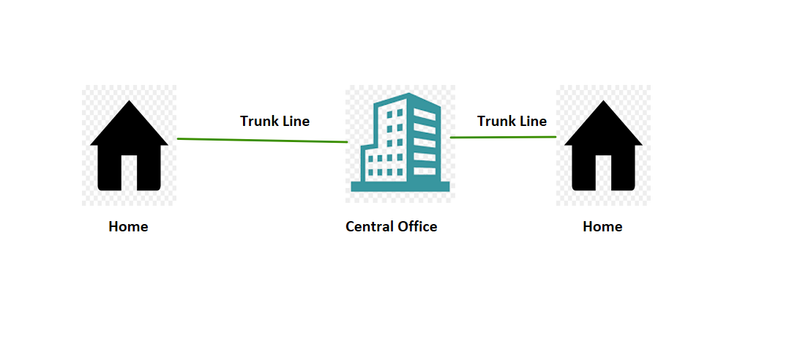
This approach ensured stable communication, but it also led to inefficient use of resources. Even during silent moments, the circuit was fully occupied.
Over time, this model showed its limitations. Expanding these systems meant laying more physical cables and installing more hardware, which was expensive and time-consuming.
The Shift to Digital: What is VoIP?
As the internet grew stronger and became more accessible, engineers started to rethink voice communication. The question was simple: if data can travel over the internet, why can't voice?
This idea led to the creation of Voice over Internet Protocol (VoIP).
In a VoIP system, your voice is captured and turned into digital form. It is then broken into small data packets and sent over the internet, just like any other type of data. At the other end, these packets are received, reassembled, and converted back into sound.
This process is called packet switching, and it differs from circuit switching.
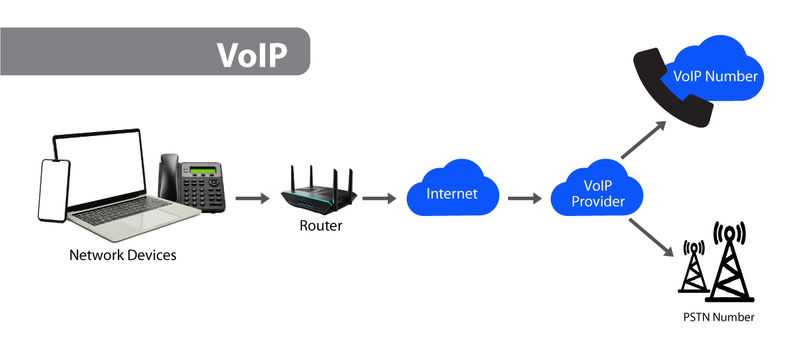
What makes this approach effective is its efficiency. Instead of reserving an entire path for one call, VoIP shares network resources across many conversations simultaneously.
A Deeper Look at the Core Difference
To really grasp the difference between traditional telephony and VoIP, it's useful to consider how resources are used in each system.
In traditional systems, communication is inflexible. A fixed path is created, and no one else can use that path until the call ends. This provides consistent quality but wastes bandwidth when no one is talking.
In modern VoIP systems, communication is flexible. Data is divided into pieces, sent across shared networks, and reassembled at the destination. This means the same network can support many conversations at once, making it far more efficient.
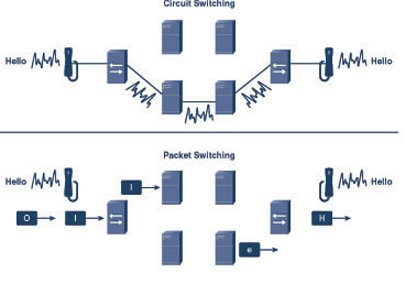
This change from rigidity to flexibility is what makes VoIP so transformative.
From Analog to Digital: The Role of Signal Conversion
Another key difference is how voice is managed.
Traditional phone systems use analog signals. When you talk into a landline phone, your voice is turned into an electrical signal that travels through copper wires.
VoIP, on the other hand, works entirely in the digital realm. Your voice is sampled, encoded with codecs, and transmitted as data. This digital nature allows for improvements that were never possible with analog systems. Noise reduction, echo cancellation, and compression are all standard in modern VoIP communication.
Infrastructure and Deployment Differences
Traditional telephony systems rely heavily on physical infrastructure. Setting up a business phone system meant purchasing PBX hardware, running cables, and installing desk phones across the office.
Scaling such a system is not easy. Adding new users or expanding to new locations requires more hardware and wiring.
VoIP changes this completely. Since it works over the internet, the need for specialized physical infrastructure is greatly reduced. A business can set up its phone system with just a stable internet connection and software.
This shift from hardware-based systems to software-based systems is a main reason why VoIP has become the preferred option for modern businesses.
The Emergence of Software-Based PBX Systems
In traditional setups, PBX systems were physical machines installed in an office. These systems handled call routing, extensions, voicemail, and other features.
Modern VoIP systems replace this hardware with software-based PBX solutions. These systems can run on cloud servers, local machines, or even virtual environments.
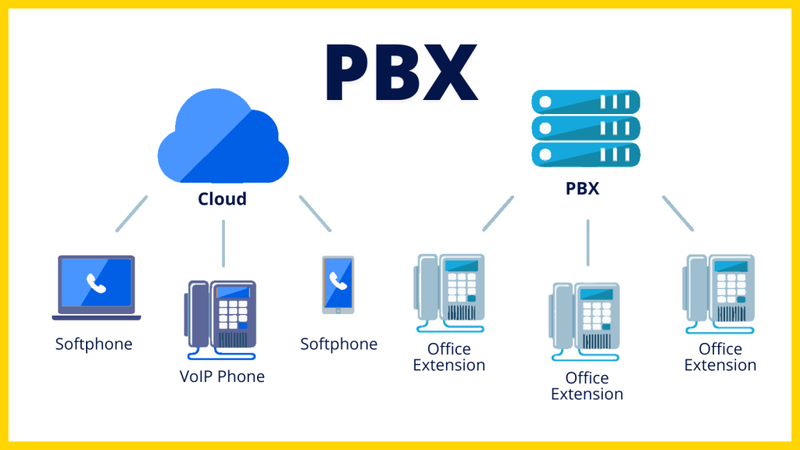
This change allows businesses to manage their entire communication system through software interfaces, making updates and configurations faster and easier.
Beyond Calling: The Rise of Intelligent Communication
The biggest difference between traditional phone systems and modern VoIP is what happens after the call is made.
Traditional systems were built for one purpose: to connect two people. Once the call was over, there was little data left behind.
VoIP systems, especially when used with modern technologies, offer much more. Calls can be recorded, transcribed, and analyzed. This means businesses can understand customer interactions, track missed opportunities, automate responses, and improve service quality over time.
Instead of just being a communication tool, the phone system becomes a source of data and insight.
Reliability, Quality, and Modern Improvements
It's true that early VoIP systems faced problems with call quality and reliability. Issues like latency, jitter, and dropped packets were common in the early days.
However, modern improvements have greatly enhanced these areas. High-quality codecs, better network infrastructure, and smart traffic management have made VoIP reliable enough for mission-critical use.
In many cases, VoIP systems can even perform better than traditional phone systems, especially when combined with redundancy and failover mechanisms.
The Bigger Picture: Why the Shift Matters
The shift from traditional phone systems to VoIP is not just a technological upgrade - it changes how businesses think about communication.
In the past, communication systems were fixed and limited. Today, they are flexible, scalable, and smart.
For small and medium-sized businesses, this change is especially crucial. It allows them to access advanced communication tools without large investments in hardware.
Looking Ahead
As businesses keep adopting digital tools, the importance of communication systems will grow. The future belongs to systems that can not only carry voice but also understand it, respond to it, and learn from it.
VoIP is at the heart of this change. It lays the foundation for modern communication systems. These systems are not just about calling — they are about creating smarter, faster, and more connected businesses.
Conclusion
Traditional telephony played a key role in connecting the world, and its impact is significant. It served businesses well for decades.
As technology progressed, so did the expectations of businesses and customers.
Modern VoIP systems fulfill these expectations by offering communication along with intelligence, scalability, and flexibility. Understanding this shift is essential for anyone working in or around business communication today.
Share on social media